Breaking Down Tul Patterns
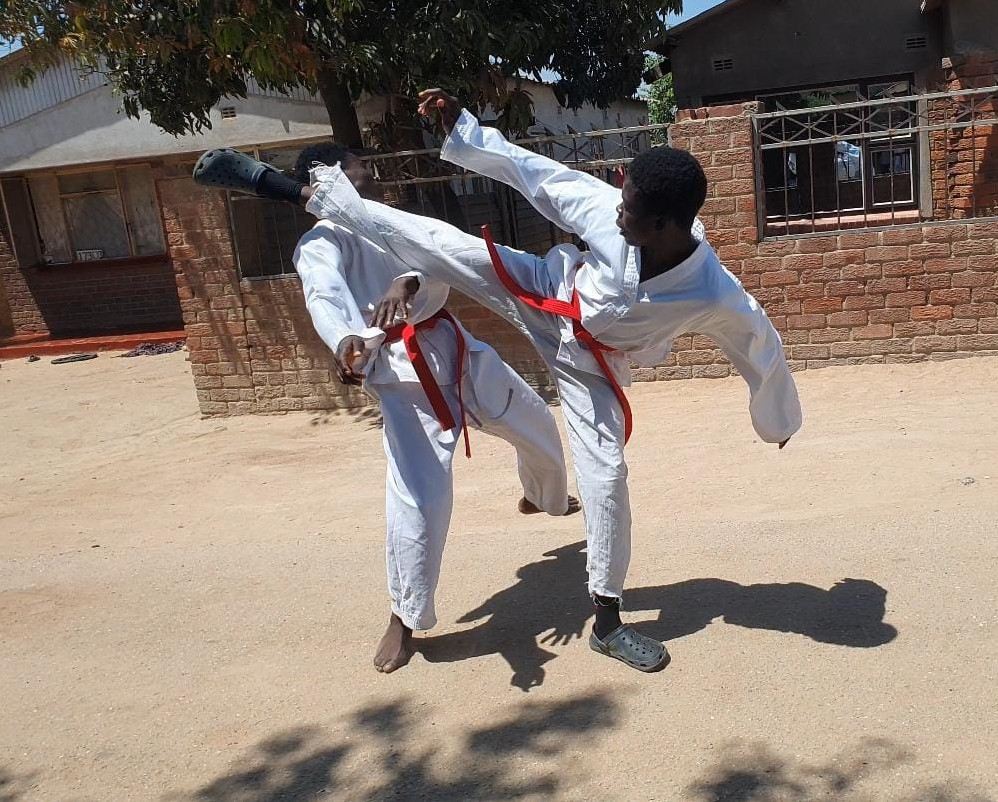
How to study the meaning, rhythm and application behind every pattern.
Breaking Down Tul Patterns
Tul, or patterns, are the textbook of ITF Taekwondo. Every move has a purpose — a block, a strike, a throw, or a transition. For advanced students, the goal is not to memorise the sequence, but to understand the meaning.
Start With the Basics
Before you can analyse a pattern, you must know the sequence perfectly. Footwork, direction, and technique should be automatic.
1. Rhythm and Breathing
Each pattern has its own rhythm. Some movements are fast and explosive, others are slow and controlled.
- Fast movements usually attack.
- Slow movements often demonstrate power and control.
Breathe out sharply on each technique. This helps you stay relaxed and generates power.
2. Look at the Direction
Every turn is a new facing direction. Ask yourself: why am I turning here?
- A turn to the rear may be a response to an attack from behind.
- A 270-degree turn may represent throwing an opponent.
- A sitting stance is often for low blocks or close-range grappling.
3. Application (Bunhae)
Bunhae is the study of practical applications. For each technique, imagine a real attacker.
- A high block could stop a downward strike.
- A middle punch could target the solar plexus.
- A side kick could be used to create distance.
Write down one application for each technique. This will help you remember the pattern in a deeper way.
4. Common Mistakes
- Rushing through the pattern.
- Losing balance during turns.
- Forgetting to keep the eyes focused.
- Weak stances.
5. Practice Tips
- Practice the pattern in sections.
- Record yourself and compare with a senior student.
- Teach the pattern to a lower belt — teaching is the fastest way to learn.
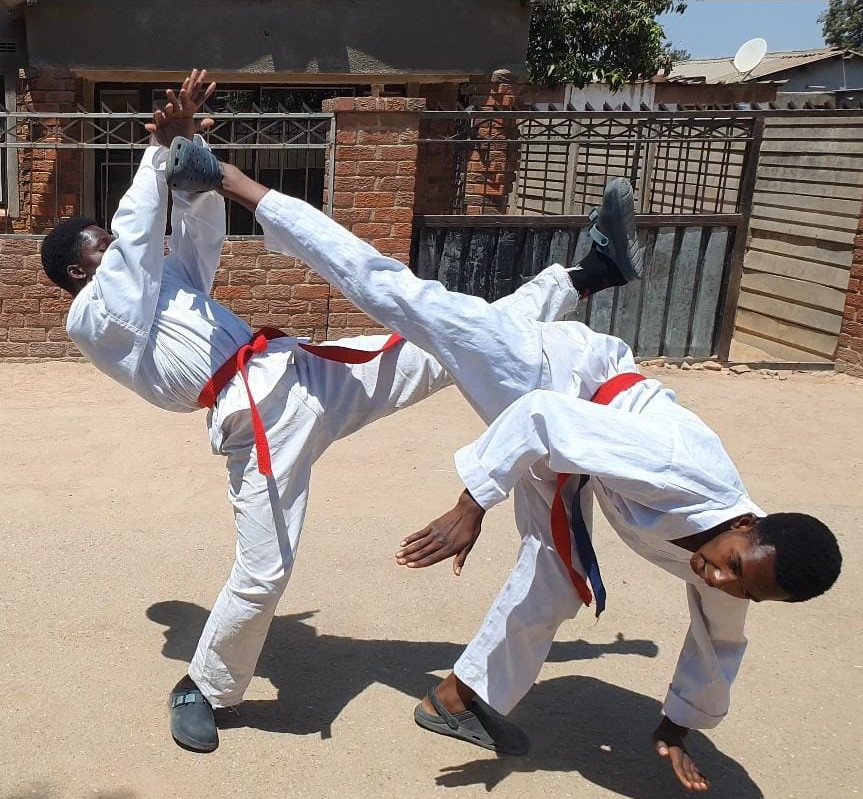
Patterns are the heart of traditional Taekwondo. Study them with patience and respect, and they will reward you for years to come.
Yasini Saidi